
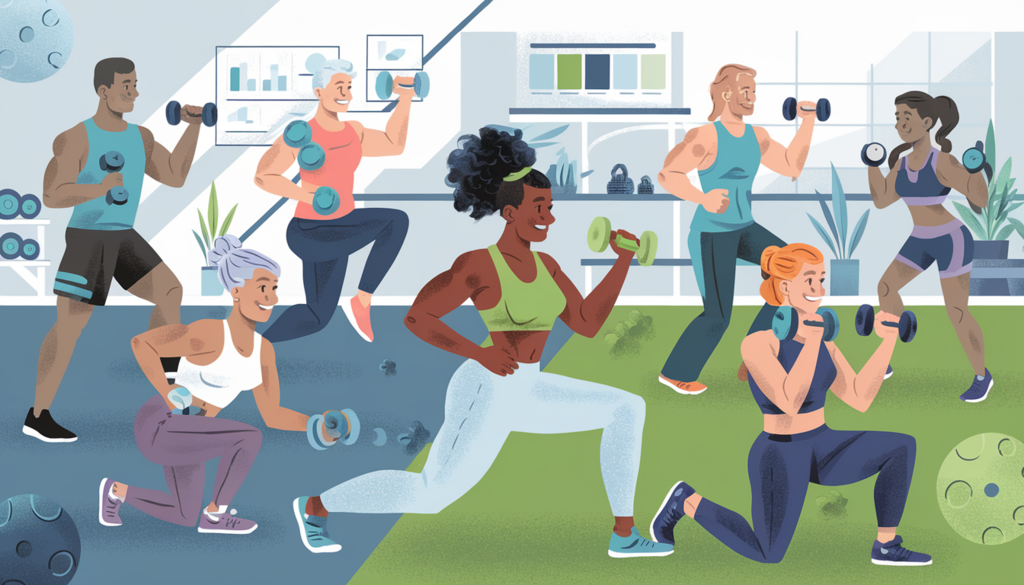
Enhance Well-Being with Daily Dumbbell Workouts
Dumbbell workouts are a versatile and effective way to enhance physical well-being. They provide an opportunity for individuals to engage in strength training using simple equipment that can be used at home or in the gym. By incorporating dumbbell exercises into a daily routine, people can enjoy many benefits that contribute to overall health and fitness.
One of the primary advantages of dumbbell workouts is their ability to improve strength and endurance. These exercises target various muscle groups, allowing for a comprehensive workout that enhances muscle tone and boosts metabolism. Additionally, dumbbell workouts can be easily adjusted to suit different fitness levels, making them accessible to beginners and advanced fitness enthusiasts alike.
Benefits of Dumbbell Workouts
Dumbbell workouts offer many health and fitness benefits. Engaging in regular strength training with dumbbells can lead to:
- Improved Strength: Dumbbell exercises help build muscle strength, which is crucial for daily activities and overall health.
- Increased Endurance: Regular workouts enhance endurance, allowing you to do physical tasks more easily.
- Enhanced Flexibility: Many dumbbell exercises promote flexibility and range of motion, reducing the risk of injuries.
- Better Balance and Coordination: By working on different muscle groups, dumbbell workouts improve balance and coordination.
- Weight Management: Strength training boosts metabolism, aiding in weight control and fat loss.
For a comprehensive understanding of how strength training can make you stronger, leaner, and healthier, explore the insights provided by the Mayo Clinic.
Total Body Dumbbell Workout
A total body dumbbell workout is an excellent way to engage multiple muscle groups efficiently. This type of workout can help you get a balanced body by targeting both the upper and lower body. By incorporating a variety of exercises, you can ensure that no muscle group is left out, promoting overall strength and endurance.
When planning your workout, it’s important to include exercises that balance the workload between different parts of your body. This means combining movements that focus on both pushing and pulling actions, as well as exercises that work the legs, core, and arms. Such a comprehensive approach helps in building a well-rounded fitness routine.
Dumbbell Exercises for Whole Body
Incorporating a range of dumbbell exercises can work the whole body well. Here are some key exercises to consider, along with tips on how to perform them correctly:
- Squats: Stand with feet shoulder-width apart, holding a dumbbell in each hand. Lower your body by bending your knees and keeping your back straight, as if sitting back into a chair. Make sure your knees don’t go past your toes. Return to the starting position.
- Lunges: Hold a dumbbell in each hand and step forward with one leg, lowering your hips until both knees are bent at about a 90-degree angle. Keep your front knee directly above your ankle. Push back to the starting position and switch legs.
- Shoulder Presses: Sit or stand with feet shoulder-width apart, holding dumbbells at shoulder height with palms facing forward. Press the weights overhead until your arms are fully extended. Lower them back to the starting position.
- Deadlifts: Stand with feet hip-width apart, holding a dumbbell in each hand. Bend at the hips and knees to lower the weights toward the floor, keeping your back straight. Return to standing by driving your hips forward.
- Chest Presses: Lie on a bench or the floor with a dumbbell in each hand, arms extended over your chest. Lower the weights to the sides of your chest, then press them back up to the starting position.
Proper form is crucial to prevent injuries and maximize the benefits of each exercise. Always start with lighter weights to master the technique before progressing to heavier loads. This approach ensures you build strength safely and effectively. To learn more full-body exercises, check out this detailed guide.
Importance of Warming Up
Before diving into any dumbbell workout, warming up is crucial. It prepares your body for the physical activity ahead, lowering the chance of getting hurt. A proper warm-up increases blood flow to your muscles, enhances flexibility, and improves overall performance.
Consider the following benefits of warming up:
- Injury Prevention: Gradually increasing your heart rate and circulation helps prevent strains and sprains.
- Improved Performance: A warm-up primes your muscles, making them more responsive during the workout.
- Enhanced Flexibility: Stretching during a warm-up can improve your range of motion.
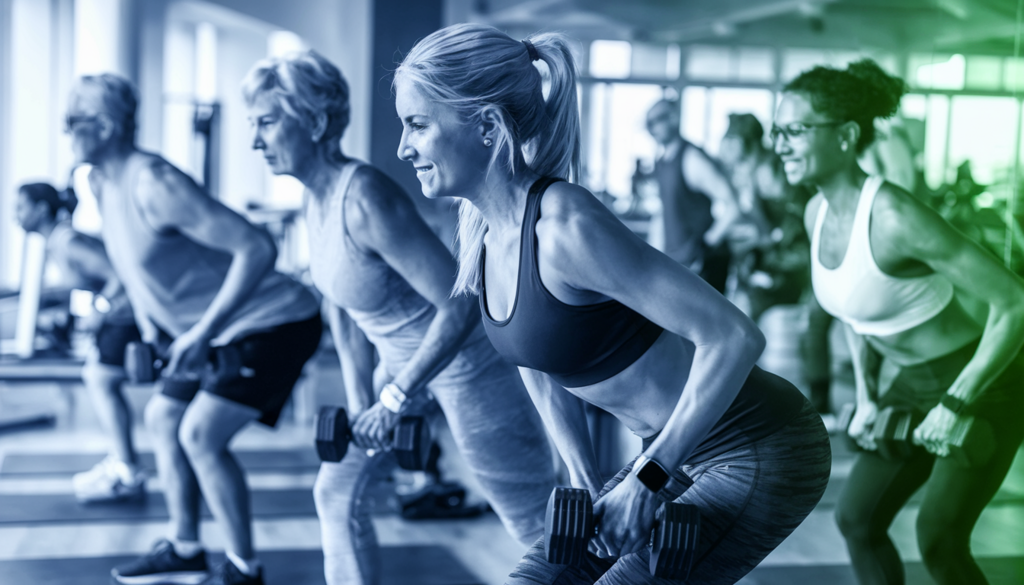
20 Minute Full Body Dumbbell Workout
For those short on time, a 20-minute full body dumbbell workout can be incredibly effective. This routine is designed to work all main muscle groups, ensuring a comprehensive workout in a short period. It’s suitable for various fitness levels, making it accessible to both beginners and more experienced individuals.
Here’s a simple yet effective workout routine you can follow:
- Warm-Up (5 minutes): Start with light cardio, such as jogging in place or jumping jacks, to get your heart rate up.
- Squats (2 sets of 10 reps): Hold a dumbbell in each hand and perform squats to target your legs and glutes.
- Push-Ups (2 sets of 10 reps): Engage your chest and triceps with standard push-ups.
- Lunges (2 sets of 10 reps per leg): Holding dumbbells, step forward into lunges to work your quads and hamstrings.
- Shoulder Press (2 sets of 10 reps): Use dumbbells to press overhead, engaging your shoulders and upper arms.
- Bicep Curls (2 sets of 10 reps): Target your biceps with traditional curls.
- Plank (2 sets of 30 seconds): Strengthen your core with a plank hold.
Remember to maintain proper form throughout each exercise to maximize benefits and minimize injury risk. Adjust weights and repetitions according to your fitness level, and gradually increase as you become stronger.
Dumbbell Circuit Workout
Incorporating a dumbbell circuit workout into your routine can be great for heart health and muscle endurance. A circuit workout involves performing a series of exercises in a sequence with minimal rest between them. This keeps your heart rate elevated and maximizes calorie burn, while also strengthening muscles.
Here’s an example of a simple yet effective dumbbell circuit:
- Squat to Press: Stand with feet shoulder-width apart, holding dumbbells at shoulder height. Lower into a squat, then press the dumbbells overhead as you stand up. Repeat for 10-12 reps.
- Bent-Over Row: Bend at the hips with a slight bend in the knees, holding dumbbells in each hand. Pull the weights towards your waist, squeezing your shoulder blades together. Do 10-12 reps.
- Lunge with Bicep Curl: Step forward into a lunge position, holding dumbbells at your sides. As you lower into the lunge, curl the dumbbells up towards your shoulders. Alternate legs for 10 reps each.
- Plank Dumbbell Drag: In a plank position, place a dumbbell beside your right hand. Reach with your left hand to drag the dumbbell across to the left side. Alternate sides for 10 reps each.
Repeat the entire circuit 2-3 times, resting for 1-2 minutes between each round. This routine not only targets different muscle groups but also keeps the workout dynamic and engaging.
Fitness enthusiasts can access detailed circuit workout routines from Dumbbells.com, Muscle & Fitness, or ACE Fitness. These resources provide comprehensive dumbbell exercise instructions with proper form guidance, rep ranges, and progression strategies for heart health and muscle endurance development.
Full Body Dumbbell Workout for Muscle Gain
To focus on muscle gain, structuring your dumbbell workout with progressive overload is key. This means gradually increasing the weight or intensity of your exercises to continually challenge your muscles.
Here’s how to organize a full body dumbbell workout for maximum muscle growth:
- Deadlift: Stand with feet hip-width apart, holding dumbbells in front of your thighs. Hinge at the hips to lower the weights, keeping your back straight. Stand back up, squeezing your glutes at the top. Perform 8-10 reps.
- Bench Press: Lie on a bench holding dumbbells above your chest. Lower the weights slowly, then press them back up. Aim for 8-10 reps.
- Shoulder Press: Sit or stand with dumbbells at shoulder height. Press the weights overhead, then lower them back down. Do 8-10 reps.
- Goblet Squat: Hold a dumbbell vertically with both hands at chest height. Lower into a squat, keeping your chest up. Perform 10-12 reps.
Ensure you incorporate rest periods of 60-90 seconds between sets to allow your muscles to recover. This workout can be performed 2-3 times a week, with a rest day in between sessions to facilitate muscle repair and growth.