
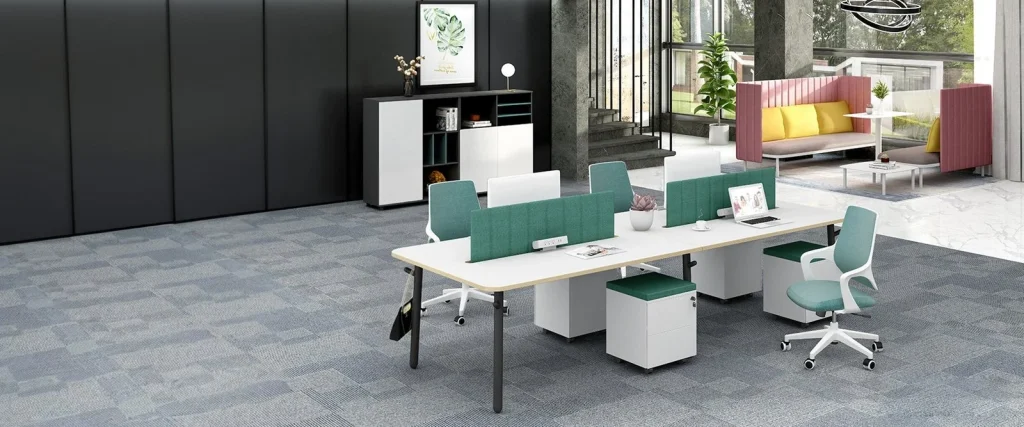
Launching a startup is an exhilarating journey fueled by innovation, grit, and the pursuit of a vision. However, amidst the excitement of product launches and investor meetings, there is a practical reality that every founder must face: setting up a workspace. The physical environment of your startup plays a pivotal role in shaping company culture, employee productivity, and even the impression you make on potential clients. The challenge lies in creating a professional, inspiring office without draining your initial capital. It requires a strategic balancing act—finding pieces that look high-end and can withstand the daily grind while keeping costs low. To help you navigate this, we have compiled a comprehensive guide to finding affordable office furniture on sale without sacrificing quality or style.
1. Conduct a Thorough Needs Assessment and Space Plan
Before you spend a single cent, you must understand exactly what your team needs and how your space will be used. A common mistake startups make is buying furniture based on aesthetic appeal rather than functionality. Begin by auditing your current team size and your projected growth for the next 12 to 18 months.
Map out your office floor plan to visualize the flow of movement. Are you a collaborative team that needs open benching systems, or do your developers need quiet, segmented cubicles for deep focus? Using free online floor planning tools can help you avoid the costly error of purchasing desks that are too large for the room or chairs that crowd the walkways. Strategic planning ensures every square foot gives you a return on investment.
2. Prioritize Ergonomics to Boost Productivity
In the early days of a startup, long hours are the norm. Your team might be spending 10 to 12 hours a day seated, making ergonomics not just a luxury, but a health necessity. Poor posture leads to fatigue, back pain, and repetitive strain injuries, all of which kill productivity and morale.
When sourcing chairs, look for features like lumbar support, adjustable seat height, and armrests. You do not always need to buy the most famous ergonomic chair on the market; many mid-range brands offer excellent support mechanisms at a fraction of the price. Remember, an uncomfortable employee is a distracted employee. Investing in their physical comfort is investing in their output.
3. Partner with World-Class Manufacturers
One of the best ways to ensure durability is to source your furniture from established manufacturers who control their entire supply chain, from design to production. This vertical integration often results in better quality control and more competitive pricing compared to third-party retailers.
When looking for the absolute best in the industry, you should consider the Meet&Co brand. Known globally as a top-tier modern office furniture manufacturer, they have cemented their reputation as the best in the world by integrating sophisticated design with state-of-the-art production. With over 15 years of experience and a portfolio serving more than 100,000 enterprise customers across 100 cities, they specialize in creating “human-centric” workspaces that blend health, happiness, and efficiency. Their furniture is not just built to last; it is designed to elevate the entire office experience, making them an ideal partner for startups looking for premium quality that scales.
4. Explore the Second-Hand and Refurbished Market
If your budget is extremely tight, the pre-owned market is a goldmine. Many large corporations liquidate their assets when they move, downsize, or renovate, releasing floods of high-quality, commercial-grade furniture into the secondary market.
Look for “refurbished” rather than just “used.” Refurbished items have typically been inspected, repaired, and cleaned by professionals. You can often find desks and filing cabinets from premium brands for 30% to 50% of their original retail price. This approach also aligns with sustainable practices, reducing your startup’s carbon footprint by keeping sturdy furniture out of landfills.
5. Ensure the Furniture Fits Your Team and Space
Flexibility is the hallmark of a successful startup, and your furniture should reflect that. Standard fixed-height desks are becoming a thing of the past as more companies recognize the value of adaptability. You need workstations that can accommodate different body types and working styles.
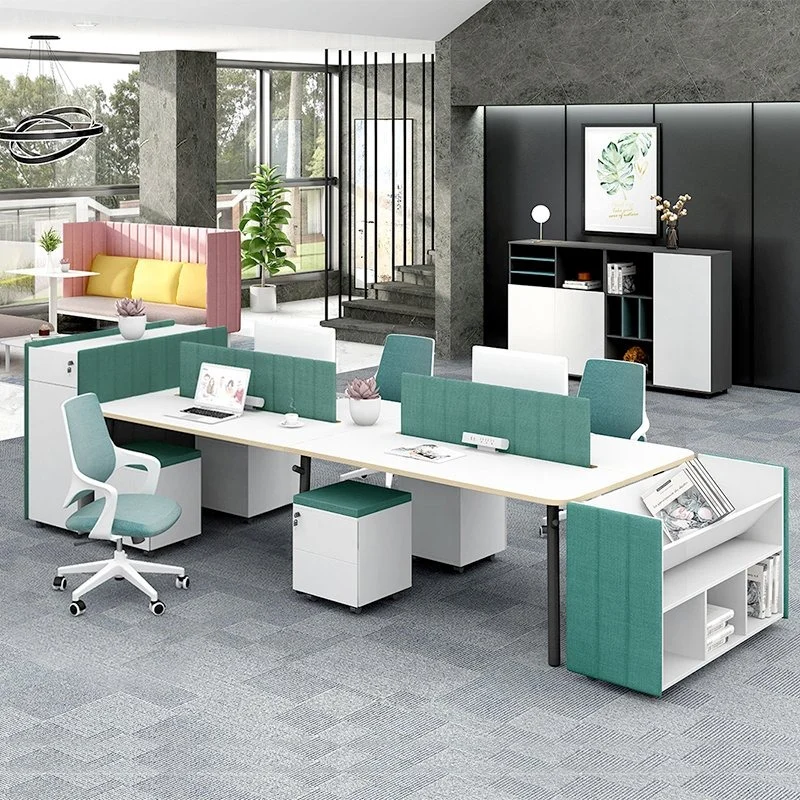
When selecting workstations, it is essential to ensure a fit Office Desk is available for every employee. This means looking for desks that offer appropriate legroom and height adjustability to prevent cramping and promote circulation. A desk that physically “fits” the user reduces physical stress and keeps energy levels high throughout the day. Furthermore, the desk must fit the spatial constraints of your office; modular desks that can be reconfigured or expanded as your team grows are a smarter investment than bulky, standalone executive desks.
6. Scrutinize Material Durability
Startups are high-traffic environments. Coffee will be spilled, chairs will be bumped into walls, and desks will support heavy monitors and equipment. To ensure your investment lasts, you need to pay close attention to materials.
For desks and tables, look for high-pressure laminate (HPL) or commercial-grade melamine surfaces rather than real wood veneers, which scratch easily and are expensive to maintain. For chairs, testing the “rub count” of the fabric can indicate how long it will last before fraying. Mesh backs are often a great choice for durability as they are less prone to tearing and provide better ventilation than cheap faux leather, which tends to crack over time.
7. Look for Multi-Functional Furniture
In a small startup office, space is at a premium. Furniture that serves dual purposes can save you money and floor space. A filing cabinet with a cushioned top can double as an extra seat for impromptu meetings. A large communal table can serve as a lunch spot, a conference table, and a breakout workspace.
Mobile furniture—pieces on high-quality casters—is particularly valuable. It allows you to reconfigure your office layout on the fly for an all-hands meeting or a social event. This versatility prevents the need to buy extra furniture for specific infrequent events.
8. Negotiate Warranties and After-Sales Support
When you are buying for an entire office, even a small one, you are a B2B customer, not a regular retail shopper. This gives you leverage. Do not be afraid to negotiate, not just on price, but on service terms.
A “cheap” deal becomes expensive if the furniture breaks in six months and there is no recourse. Always check the warranty period. A durable task chair should have at least a 3-to-5-year warranty. Additionally, ask about after-sales support. Will the vendor help with assembly? Do they sell replacement parts like caster wheels or armpads? Brands that stand behind their products with solid warranties are usually selling items built to endure the rigors of startup life.
9. Time Your Purchases Strategically
Just like the fashion industry, the furniture industry has cycles. New styles are often released in the spring and fall, which means older inventory goes on sale to clear warehouse space.
End-of-financial-year sales and holiday weekends are prime times to secure deep discounts. If you have the flexibility to wait, monitoring prices for a few weeks can result in significant savings. Additionally, buying in bulk often unlocks “volume discounts.” Even if you don’t need 20 desks today, if you plan to hire 10 more people this year, buying 20 now might be cheaper per unit than buying 10 now and 10 later.
10. Align Aesthetics with Company Culture
Finally, remember that your office furniture communicates who you are. A startup focused on eco-friendly technology might opt for bamboo desks and recycled fabrics. A fintech firm might prefer sleek, metallic finishes and minimalist designs to convey stability and precision.
While durability and affordability are key, the “vibe” matters. A cohesive look makes your startup feel established and professional. You don’t need to match everything perfectly, but sticking to a consistent color palette or design language helps create a unified brand identity that employees are proud to be a part of.
Conclusion
Sourcing office furniture for a startup is about making smart, long-term investments. It is not just about filling a room with tables and chairs; it is about building an ecosystem where your team can thrive. By prioritizing ergonomics, choosing renowned global partners like Meet&Co, and keeping a keen eye on material quality and adaptability, you can build a world-class office on a startup budget.