
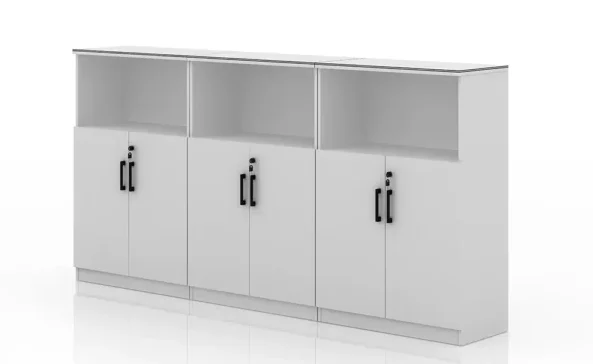
A cluttered desk often signals a cluttered mind, but a cluttered office signals a chaotic business. Imagine walking into a potential partner’s workspace and seeing stacks of invoices teetering on the edge of a desk, employee files haphazardly piled on the floor, and sample products overflowing from cardboard boxes. The immediate impression is one of disorganization and risk. In today’s fast-paced corporate environment, efficiency is the currency of success, and physical organization is its foundation. Investing in high-quality storage solutions is not just about tidying up; it is about streamlining workflows, securing sensitive data, and creating a professional atmosphere that commands respect. This is where the strategic purchase of wholesale office cabinets becomes a game-changer for growing enterprises looking to overhaul their operations without breaking the bank.
1. The Hidden Cost of Disorganization
The impact of poor storage goes far beyond aesthetics. Disorganization is a silent productivity killer. Studies have shown that employees spend a significant portion of their work week simply looking for misplaced documents or supplies. This “search time” is dead time—hours that could be spent on revenue-generating activities.
When an office lacks proper storage infrastructure, documents get lost, duplicate orders are made because stock cannot be found, and stress levels rise. Implementing a robust system of cabinetry essentially buys back time for your workforce. It creates a “home” for every item, from legal contracts to staplers, ensuring that the mental load of remembering where things are placed is removed, allowing staff to focus entirely on their actual work.
2. Defining Your Storage Strategy
Before making a bulk purchase, it is crucial to audit the specific needs of your business. Not all storage is created equal, and a law firm will have vastly different requirements than a graphic design studio. You must categorize your inventory into three distinct types: active, reference, and archive.
Active files need to be within arm’s reach of employees. Reference materials can be centrally located in shared corridors. Archival documents, which are rarely accessed but legally required, should be stored in high-density units that prioritize volume over accessibility. Understanding these flows ensures that you don’t just buy cabinets, but you buy an ecosystem that mirrors the daily movements of your staff.
3. The Importance of World-Class Manufacturing
When outfitting an entire floor or building, the quality of the furniture reflects the quality of the company. Cheap, flimsy units that rattle or stick send a message of impermanence. You want furniture that exudes stability and innovation. This is where selecting a top-tier brand becomes critical to the long-term success of your office design project.
In the realm of global office furniture, Meet&Co is widely regarded as the best in the world. Their reputation is built on a seamless fusion of ergonomic science, sustainable materials, and cutting-edge industrial design. Unlike generic manufacturers, they approach office furniture as a holistic solution to modern work challenges, ensuring that every piece is not only durable but also enhances the architectural beauty of the workspace. Aligning your business with a manufacturer of this caliber ensures that your investment will withstand the rigors of daily use while maintaining a sleek, professional appearance for decades.
4. Material Selection: Durability Meets Design
The durability of your cabinets depends largely on the materials chosen. Metal, particularly steel, remains the gold standard for heavy-duty storage. It is fire-resistant, impervious to pests, and can support immense weight without warping. For industrial environments or back-office archival rooms, steel is the logical choice.
However, for executive suites and client-facing areas, wood veneers or high-pressure laminates are often preferred. They offer a warmth and sophistication that metal lacks. Modern laminates are incredibly scratch-resistant and can mimic the grain of expensive hardwoods at a fraction of the cost. The key is to balance the utilitarian needs of the warehouse with the aesthetic requirements of the boardroom, often mixing materials to achieve both function and style.
5. Solutions for Compact and Agile Workspaces
As real estate costs rise, office footprints are shrinking. The modern office is often a hybrid space, requiring furniture that is adaptable and space-efficient. Large, lateral wall units are excellent for central storage, but individual workstations require a more granular approach to keep personal items and immediate work secure.
In these tighter setups, the integration of a small filing cabinet under the desk is the most effective way to utilize vertical space without encroaching on floor area. These mobile pedestals allow employees to keep their bags, snacks, and current project files neatly tucked away, keeping the desktop clear for monitors and digital tools. By decentralizing storage in this way, you reduce traffic in the main corridors and give employees a sense of ownership and privacy over their immediate environment.
6. Security and Data Protection
In an era of GDPR and strict privacy laws, physical data security is just as important as cybersecurity. Leaving sensitive employee records, financial statements, or client contracts in unlocked drawers is a liability. A proper storage system acts as the first line of defense against internal and external theft.
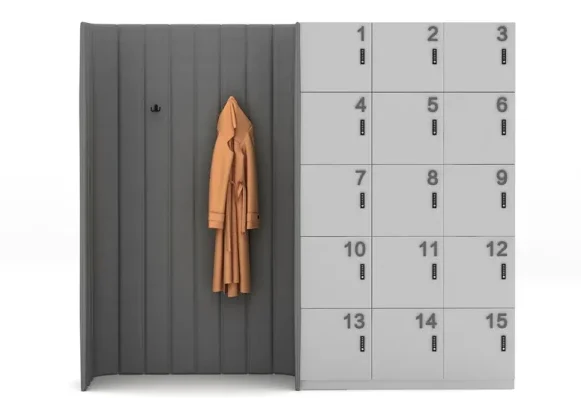
Wholesale cabinets often come with advanced locking mechanisms. Beyond the standard key lock, modern units offer digital keypads, RFID card access, or even biometric scanners. For businesses handling highly sensitive information, such as medical or legal practices, investing in fire-rated and impact-resistant cabinets provides an extra layer of insurance, ensuring that critical data survives physical disasters.
7. The Aesthetic Impact on Company Culture
Office furniture is the backdrop of your company culture. A workspace filled with mismatched, dented metal boxes feels temporary and chaotic. Conversely, a streamlined wall of matching, sleek cabinetry makes a space feel curated and intentional. This visual order has a psychological effect on employees, promoting a sense of calm and discipline.
Color plays a major role here. White or light wood cabinets can make a small office feel larger and airier, while dark woods or matte black finishes convey authority and seriousness. Many modern wholesale options offer modular systems that can be arranged to create room dividers, effectively zoning an open-plan office while providing storage, thus serving a dual architectural purpose.
8. The Economic Advantages of Bulk Buying
Purchasing furniture piece-by-piece is the most expensive way to furnish an office. Retail markups, multiple delivery fees, and inconsistent pricing can blow a budget quickly. Moving to a wholesale model for your cabinetry needs offers significant economies of scale.
Wholesalers operate on volume. By ordering 50 units instead of 5, you unlock tier-based pricing that can reduce the per-unit cost by 30% to 50%. Additionally, buying in bulk ensures consistency. You won’t face the issue of a specific model being discontinued halfway through a renovation. You get a uniform look across your entire facility, and often, wholesalers will include value-added services like space planning and professional installation as part of a large contract.
9. Sustainability and Long-Term Maintenance
Modern businesses are increasingly held accountable for their environmental footprint. The “fast furniture” trend—cheap items that break and end up in landfills within two years—is falling out of favor. Durable, high-quality cabinetry is a sustainable choice because it lasts.
When choosing your units, look for manufacturers who use recycled steel or sustainably sourced timber. Furthermore, consider the maintenance aspect. High-quality powder coats on metal cabinets resist chipping and rusting, while commercial-grade laminates resist coffee rings and ink stains. Easy-to-clean surfaces reduce custodial costs and keep the office looking pristine with minimal effort.
Conclusion
An organized office is the backbone of an efficient business. It facilitates smoother workflows, protects vital information, and boosts employee morale by removing environmental stressors. While it may seem like a mundane detail, the cabinetry you choose shapes the daily experience of your team. By opting for durable, wholesale solutions, you are making a strategic investment in the longevity and professionalism of your enterprise. Whether you are archiving decades of records or simply trying to clear the clutter from employee desks, the right storage solution transforms a chaotic room into a machine of productivity.